 Tick Control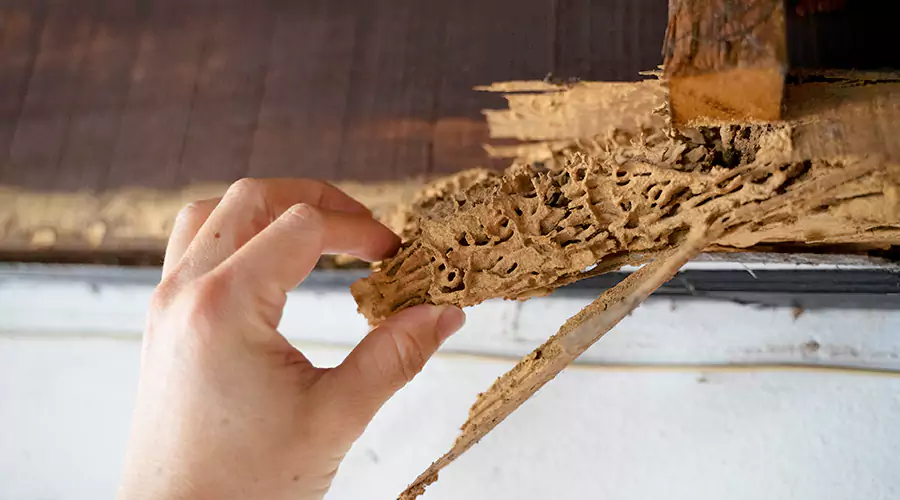
 Google Reviews
 (554)
(554)


Proudly American

 Termite Control
 Bed Bug Treatment
 Rodent Control
 Cockroach Control
 Ant Control
 Mosquito Control
 Bee Control
 Wildlife Control
 Exterminator Control
Termite damage can become expensive because termites often work quietly before homeowners notice a problem. Unlike pests that move openly across floors or counters, termites usually stay hidden inside wood, soil, walls, crawl spaces, foundations, flooring, and structural materials. By the time visible signs appear, the damage may already be more serious than expected.
Termites feed on cellulose, which is found in wood and many building materials. This means they can damage floor joists, wall studs, baseboards, door frames, window frames, subfloors, decks, and other wooden areas of a home. If termite activity is left untreated, the repair costs can grow quickly.
Understanding why termite damage becomes costly can help homeowners take warning signs seriously and schedule an inspection before the problem spreads.
One reason termite damage is costly is that it often starts inside the wood. The outside surface may look normal while the inside is being eaten away. This hidden damage makes termites harder to detect early.
A homeowner may not notice anything until wood sounds hollow, flooring feels weak, doors become hard to close, or trim begins to break apart. At that point, termites may have been active for months or longer.
Hidden termite activity can affect:
Because the damage is often hidden, repairs may involve opening walls, removing flooring, or replacing structural materials.
A small termite problem may not stay small for long. Termite colonies can grow and spread when they have access to food, moisture, and shelter. If the colony remains untreated, more termites can continue feeding on the home.
The longer termites stay active, the more wood they can damage. A small area of trim damage can lead to wall damage. A hidden crawl space problem can spread to flooring. Termites near the foundation can move into framing and other structural areas.
Early treatment is usually easier and less expensive than waiting until the damage becomes widespread.
Termite damage is not only a pest problem. It can also become a construction and repair problem. When termites damage important wooden supports, the home may need structural repairs.
Structural repairs can cost more because they may require skilled labor, material removal, replacement wood, framing repairs, flooring work, and finish repairs. In severe cases, repairs may involve engineers or contractors to make sure the home is safe.
Examples of costly repairs may include:
The more hidden damage there is, the more complex the repair process becomes.
Many homeowners are surprised to learn that termite damage is often not covered by standard homeowners insurance. Insurance policies commonly treat termite damage as a preventable maintenance issue, not a sudden accidental loss.
This means homeowners may be responsible for both termite treatment and repair costs. Because policies can vary, homeowners should always check with their insurance provider, but it is wise not to assume termite damage will be covered.
This is another reason early inspection and prevention are important. Waiting can increase the amount you may need to pay out of pocket.
Termite damage can affect the value of a home. Buyers, inspectors, and real estate agents often take termite history seriously. If a home has active termites or past damage that was not repaired properly, it may create concerns during the selling process.
A termite problem can lead to:
Even after treatment, homeowners may need proof that the infestation was handled and that repairs were completed properly.
Termites are often attracted to moisture. Leaky pipes, damp crawl spaces, poor drainage, clogged gutters, and wood touching soil can create ideal conditions for termite activity.
When moisture and termites are both present, damage can become worse. Damp wood may be easier for termites to attack and may also develop rot. This can create a larger repair problem because both pest damage and moisture damage may need to be addressed.
Moisture risk areas include:
Fixing moisture issues is an important part of termite prevention.
Termites often leave signs before the damage becomes severe. Homeowners should watch for early clues and call a professional if they notice anything suspicious.
Common termite warning signs include:
Even one warning sign can be enough reason to schedule a termite inspection.
Some homeowners try store bought sprays or simple treatments when they see termite signs. The problem is that visible termites may only be a small part of the colony. Termites often live underground, inside walls, or deep within wood.
DIY treatment may kill a few visible termites but miss the source. This can allow the colony to continue feeding and spreading.
Professional termite control focuses on identifying the termite type, locating activity, treating the colony, and helping protect the structure. A professional inspection also helps determine whether repairs are needed.
A termite inspection can find signs that homeowners may miss. Pest control professionals check foundations, crawl spaces, basements, exterior walls, wooden supports, attic spaces, trim, and other risk areas.
During an inspection, they may look for:
The inspection helps create a treatment plan and gives homeowners a better understanding of the damage risk.
Homeowners can reduce termite risk by making the property less attractive to termites.
Helpful prevention steps include:
Prevention cannot guarantee termites will never appear, but it can lower the risk and help catch problems early.
Termite damage can be costly if left untreated because termites often damage homes from hidden areas. Over time, they can affect framing, flooring, trim, doors, windows, decks, crawl spaces, and structural supports. Repair costs can rise quickly, especially when damage spreads or moisture is involved.
Homeowners should not ignore termite warning signs such as mud tubes, discarded wings, hollow wood, soft trim, bubbling paint, or swarmers. A professional termite inspection can identify activity early, recommend treatment, and help prevent larger repair costs. Acting quickly is the best way to protect your home and avoid expensive termite damage.